
Simple Toddler Morning Routine That Actually Works (No Tantrums Needed)

Mornings with toddlers can feel rushed before the day has even started.
A simple toddler morning routine won’t prevent every meltdown, but it can make mornings much easier. When my son was younger, having a predictable order for getting dressed, eating breakfast, and leaving the house helped us avoid many power struggles.
If your child is getting ready for preschool, this routine can also make the transition smoother.
Looking for more preschool ideas? You might also like:
- How to Prepare a Toddler for Preschool
- Back to School Scavenger Hunt
- Lunchbox Ideas for Picky Eaters
- Educational Games for Kids
Helpful Morning Routine Resources
- Preschool Preparation Tips
- Back to School Countdown
- Lunchbox Ideas for Picky Eaters
- Educational Games for Kids
- Toddler Activity Sheets
Why a Toddler Morning Routine

Toddlers usually do better when they know what to expect.
Following the same order every morning helps children understand what comes next and can reduce frustration during transitions.
Why toddlers absolutely love routines:
- Security and comfort: Knowing what’s coming next reduces anxiety
- Learning about time: Routines teach cause and effect
- Building independence: They can start anticipating and preparing for activities
- Reducing decision fatigue: Less choices = fewer opportunities for meltdowns
The Life-Changing Benefits of a Toddler Morning Routine

Before I dive into our actual routine, let me tell you why establishing a toddler morning routine will be useful for your entire family:
Benefits for children:
- More confidence during transitions
- Better understanding of daily routines
- More opportunities to practice independence
Benefits for parents:
- Less rushing
- Fewer arguments
- Easier drop-offs at daycare or preschool
KC Products


How to Create the Perfect Toddler Morning Routine (7 Simple Steps)

Ready to transform your mornings? Here’s my method for creating a toddler morning routine that actually sticks:
Step 1: Observe Your Current Patterns
Before changing anything, spend a week documenting what naturally happens in your mornings. You might discover your toddler already has an unofficial routine! Note:
- Wake-up times
- Eating patterns
- Energy levels throughout the morning
- Natural transition points
Step 2: Identify What’s Working (and What Isn’t)
Look at your observations and highlight:
- Activities that go smoothly
- Times when your toddler is most cooperative
- Problem areas that consistently cause stress
- Natural rhythm patterns
Step 3: Design Your Ideal Framework
Create a rough outline including:
- Realistic wake-up time
- Buffer time for unexpected delays
- Essential activities (eating, getting dressed, hygiene)
- Fun elements your toddler enjoys

Step 4: Add Missing Elements
Consider what might improve your mornings:
- Calm-down activities for high-energy toddlers
- Sensory activities for sensory-seeking children
- Independence-building tasks
- Connection time with parent
Step 5: Assign Realistic Timeframes
Be generous with time estimates! Toddlers move at their own pace, and rushing creates stress for everyone.
Step 6: Test and Adjust
Implement your routine for 2-3 weeks, noting what works and what needs tweaking. Remember: consistency is key, but flexibility is survival!
Step 7: Use Visual Supports
Once you’ve found your rhythm, create visual aids, charts, or simple reminders that help your toddler anticipate what’s next.
Need Visual Routine Charts?
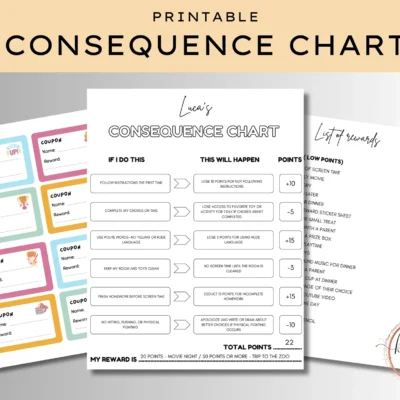
Inside my free Parenting Printables Vault you’ll find routine charts, feelings cards, behavior trackers, and visual schedules designed to help toddlers understand what comes next.
Grab free access below.
Example Toddler Morning Routine

Every family follows a different schedule, but having the same sequence of activities each morning can help toddlers know what to expect and make transitions easier.
| Time | Activity |
|---|---|
| 7:00 | Parent wake-up |
| 8:00 | Toddler wake-up and cuddles |
| 8:30 | Breakfast |
| 9:00 | Independent play |
| 10:00 | Brush teeth and head outside |
Things that can help mornings run more smoothly:
- Let your toddler choose between two outfits.
- Prepare clothes and breakfast items the night before.
- Use a visual routine chart for children who struggle with transitions.
- Keep the order of activities the same, even if the exact times change.
Morning Routine Ideas for Different Ages

2 year olds
- Keep routines short
- Use pictures
- Offer two clothing choices
3 year olds
- Practice brushing teeth
- Help clean up breakfast
- Choose snacks
4 year olds
- Pack backpack
- Fill water bottle
- Mark completed tasks
Troubleshooting Common Toddler Morning Routine Challenges

“My toddler won’t cooperate with getting dressed”
- Let them choose between two outfit options
- Make it a game (race against a timer, sing songs)
- Practice during calm moments, not rushed mornings
“We’re always running late”
- Build in 15-minute buffer time
- Prepare everything possible the night before
- Consider if your timeline is realistic for your toddler’s pace
“My toddler melts down during transitions”
- Use visual timers to show time remaining
- Give 5-minute and 2-minute warnings
- Create transition songs or rituals
Looking for activities that can help children focus and follow directions? Try these Educational Games for Kids, Screen-Free Activities, or Open-Ended Play Activities.
“Breakfast is a battle every morning”
- Offer limited, healthy choices
- Include one preferred food with new options
- Make breakfast prep part of the routine (they’re more likely to eat what they help make)
Making Your Toddler Morning Routine Stick

Consistency is your secret weapon, but don’t aim for perfection. Some days will be harder than others, and that’s completely normal!
Tips for long-term success:
- Start with just 2-3 routine elements and gradually add more
- Involve your toddler in creating visual reminders
- Celebrate small wins
- Be patient – it takes 2-3 weeks for routines to feel natural
- Have backup plans for difficult days
Remember: A good toddler morning routine serves your family, not the other way around. If something isn’t working after giving it a fair try, it’s okay to modify or eliminate it.
FAQs about Toddler Morning Routine

-
How long does it take to establish a toddler morning routine?
Most families see significant improvement within 2-3 weeks of consistent implementation. However, every child is different – some adapt quickly while others need more time.
-
What if my toddler refuses to follow the routine?
This is completely normal! Start with just one or two elements they enjoy, then gradually add more. Focus on connection over compliance, and remember that some resistance is part of the learning process.
-
Should I wake my toddler up at the same time every day?
Consistency helps, but follow your child’s natural sleep patterns when possible. A 15-30 minute window is fine – rigid timing can create unnecessary stress.
-
How do I handle mornings when we’re running late?
Have a “bare minimum” version of your routine that includes only the essentials (diaper change, quick breakfast, getting dressed). Skip the extras without guilt!
-
Is it okay to use screens as part of our morning routine?
While not necessary, short educational content can work for some families. If you choose to include screens, set clear time limits and stick to them consistently.
Conclusion

A morning routine doesn’t need to be perfect to be helpful.
Start with two or three small habits and build from there. Some children adjust quickly, while others need more reminders and support.
The goal isn’t a picture-perfect morning. It’s helping everyone leave the house feeling a little less stressed.
Continue Building Healthy Routines
How to Prepare a Toddler for Preschool
Lunchbox Ideas for Picky Eaters
Screen-Free Activities for Toddlers
Happy planning,
Xx Kinga
Pin it for later!


