How to: Perfect Homework Station for Kids

Let me tell you something – setting up a homework station for kids isn’t just about buying a cute desk and calling it a day. Trust me, I learned this the hard way when my 7-year-old kept doing his homework sprawled across the kitchen counter while I was trying to make dinner!
After some trial and error (okay, maybe a lot of error), I figured out what actually works. A good homework station isn’t just a pretty space – it’s a game-changer that helps kids focus, stay organized, and maybe even enjoy homework time. Yes, that’s possible!
Ready to create a space that your kids will actually want to use? Let’s dive in.
1. Choose the Right Spot

Here’s the thing about location – it can make or break your homework station setup. You want to find that sweet spot that’s quiet but not too isolated.
Natural light is your best friend here. It keeps kids alert and honestly just makes everyone feel better. I noticed my son gets way more done when he’s sitting by our big living room window compared to the dim corner I originally picked.
For younger kids like mine, I recommend setting up shop in a common area where you can keep an eye on things. You know how it is – one minute they’re working on math, the next they’re building a fort with their textbooks.
Older kids might want more privacy, so a quiet nook in their bedroom or a dedicated study room works great if you have the space.
📌 Related article: Back to School Countdown: Your Free Printable Guide to Starting the Year Right
2. Essential Furniture & Setup

The Desk Situation
Don’t just grab any desk! The height needs to match your child. If they’re hunched over or stretching to reach, they’re going to be uncomfortable and distracted. A good rule of thumb: their elbows should be at about 90 degrees when writing. See options here.
Chair Game Strong
I can’t stress this enough – get a chair with proper back support. Those cute little stools might look adorable, but they’re not doing your kid’s posture any favors during longer homework sessions. Consider an ergonomic chair that will protect their spine.
Storage That Actually Works
Here’s where most parents go wrong (myself included initially). You need storage that keeps supplies handy but doesn’t create desktop chaos. Think drawers, cubbies, or wall-mounted shelves. A cluttered workspace equals a cluttered mind – and nobody has time for that drama. See lots of cute and fun options here.
Need More Organization Tools for Your Family?
Creating a homework station is just one piece of the puzzle! I know how tough it can be to keep kids organized and on track. That’s why I created a FREE Parenting Printables Vault with visual routine charts, feelings cards, chore trackers, and other tools that make daily life smoother.
These printables work perfectly alongside your homework station to keep your family organized and stress-free. Join thousands of parents who are turning chaos into calm!
Grab your free access below:
3. Keep Supplies Organized

Stock your station with the essentials:
- Pencils and erasers
- Colored pencils or markers
- Scissors and glue sticks
- Different types of paper
- Calculator (for older kids)
- Ruler and other basic tools
Use labeled bins to make everything easy to find. I learned this trick from my son’s teacher – when kids know exactly where things go, they’re more likely to put them back. It’s like magic, but better because it actually works!
KC Products


4. Make It Personal & Motivating

This is where the fun happens! Kids love spaces they can call their own, so let them get creative with:
- Posters of their favorite characters or inspiring quotes
- Name tags or personalized storage labels
- Small plants (succulents are nearly impossible to kill!)
- Fun desk toys or stress balls
One thing that’s been a total game-changer in our house is a “goal board” where my son tracks completed assignments. We use stickers for daily tasks and bigger rewards for weekly goals. Nothing fancy – just a simple chart that makes him feel accomplished.
📌 Related article: The Ultimate Art Supplies for Toddlers: A Mom’s Guide (With Links!)
5. Incorporate Technology Thoughtfully
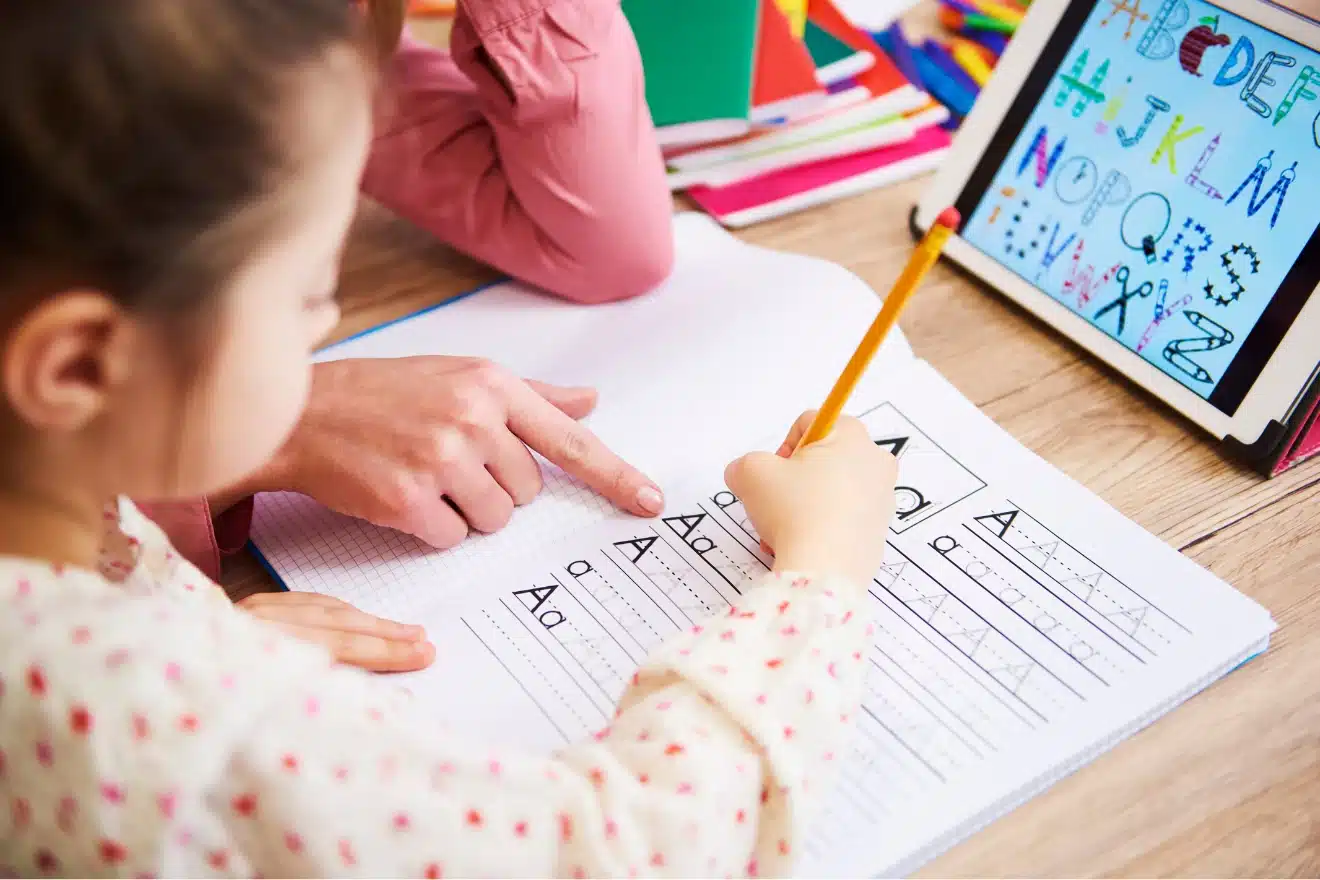
If your child uses devices for homework, plan ahead:
- Set up a charging station nearby (no more dead tablets mid-assignment)
- Keep educational apps organized and easily accessible
- Balance screen time with good old-fashioned pencil and paper work
I keep a small basket next to my son’s desk with his tablet charger and headphones. Simple, but it prevents the daily “where’s my charger?” meltdown.
6. Build a Routine

A beautiful homework station means nothing without a solid routine to go with it. Here’s what works for us:
- Set a consistent homework time (right after snack time in our house)
- Build in short breaks – kids need to move and stretch
- Keep the environment calm (save the dance party for after homework)
- Have a “homework’s done” celebration ritual
The routine is honestly more important than having the perfect setup. Kids thrive on predictability.
📌 Related article: First Day of School Card | Create Lasting Memories & Free Printable Inside
7. Troubleshoot Common Challenges
Even the best homework station will have hiccups. Here are the most common issues and how to handle them:
Too Many Distractions: Move the station away from toys, TVs, or high-traffic areas. Sometimes you need to be ruthless about location.
Clutter Takes Over: Schedule weekly 10-minute tidying sessions. Make it a game – “Can you put everything back before this song ends?”
Kids Outgrow the Setup: Be ready to adjust desk height, storage, and supplies as they get older. What works for a first-grader won’t work for a fifth-grader.
8. Visual Inspiration
Nobody says a homework station can’t look good! Think:
- Bright, colorful organizers that make supplies easy to spot
- A small bulletin board for important papers and reminders
- Good lighting (a small desk lamp can make a huge difference)
- Creative layouts that make the space feel welcoming
The goal is to create a space that makes your child excited to sit down and get started.
📌 Related article: 33 Easy Lunchbox Ideas For Kids
FAQs about Homework Station for Kids

-
How to create a homework station?
Start with choosing the right location (quiet, good lighting), add proper furniture (desk at right height, supportive chair), organize supplies in labeled containers, and let your child personalize the space. The key is making it functional first, pretty second.
-
How to keep track of kids’ homework?
Use a simple tracking system like a goal board, homework planner, or even a basic calendar. I love using a visual chart where my son can check off completed assignments – it gives him that sense of accomplishment and helps me stay on top of what’s due.
-
What age should a child have a desk?
Most kids benefit from having their own desk space starting around age 5-6, when they begin getting regular homework. Even before formal homework starts, having a designated spot for coloring, drawing, or “pretend” work helps build good habits.
-
How much should I spend on a homework station?
You don’t need to break the bank! Start with the basics – a proper desk and chair – and build from there. Many great supplies can be found at budget-friendly stores.
-
What age should I start a homework station?
As soon as your child starts bringing work home, usually around kindergarten or first grade. Even simple coloring assignments benefit from a dedicated space.
-
My child never uses the homework station I created. What am I doing wrong?
This usually comes down to location or routine. Try moving it to a different spot or involving your child in the setup process. Sometimes they need to feel ownership over the space.
-
How do I keep siblings from fighting over the homework station?
Create separate zones or designate specific times for each child. You can also set up a simple folding table as a temporary second station.
-
Should I include snacks in the homework station?
I keep a small water bottle nearby, but avoid messy snacks that can damage supplies or create distractions. Save snack time for breaks.
Conclusion

Creating a homework station for kids doesn’t have to be complicated or expensive. Start with the basics – the right location, proper furniture, and good organization – then let your child’s personality shine through with personal touches.
Remember, the best homework station is the one that actually gets used. Don’t get so caught up in making it picture-perfect that you forget about functionality. Focus on creating a space where your child feels comfortable, organized, and ready to tackle whatever homework throws their way.
Your future self (and your child’s teacher) will thank you for taking the time to set this up properly. Trust me, those peaceful homework sessions are totally worth the initial effort!
Want ideas delivered straight to your inbox? Join my community today and never miss out on fresh, fun content that will make parenting even more rewarding.
Happy organizing,
Xx Kinga
Related posts
Pin it for later!